The Best Digital Marketing Services in 2026: Complete Guide for Business Growth
The digital world in 2026 moves faster than ever before. Businesses no longer depend on traditional marketing methods. Customers search online, compare brands, reread reviews, watch videos, and then make buying decisions. If your business does not appear in those searches, you lose valuable opportunities every single day. That is why investing in the best Marketing Services in 2026 is not a choice anymore — it is a necessity. Companies that adopt structured, data-driven digital strategies dominate their industries. Those who ignore modern marketing also struggle to survive. In addition to this detailed idea, you will understand what makes the Best Digital Marketing Services in 2026 powerful, which services matter most, how keyword strategy works, and why businesses must act now to stay competitive. Whimsiness’ Must Invest in the Best Digital Marketing Services in 2026. Consumer behavior has transformed ccompletely. Today’s buyers research before purchasing. They check Google ranking inGoogle social media pages and online reviews before trusting a brand.The Best Digital Marketing Services in 2026 focus on:
- Targeted audience engagement
- Data-based decision making
- Measurable performance metrics
- AI-powered optimization
- Multichannel marketing strategy
Businesses that use structured digital marketing strategies generate higher ROI because they attract qualified traffic instead of random visitors. If you want consistent revenue, you masterly on performance-driven marketing instead of guesswork. Core Services Included in the Best Digital Marketing Services in 2026. Digital marketing combines multiple services that work together to gangrenated growthier us break them down properly.
Search Engine Optimization (SEO)
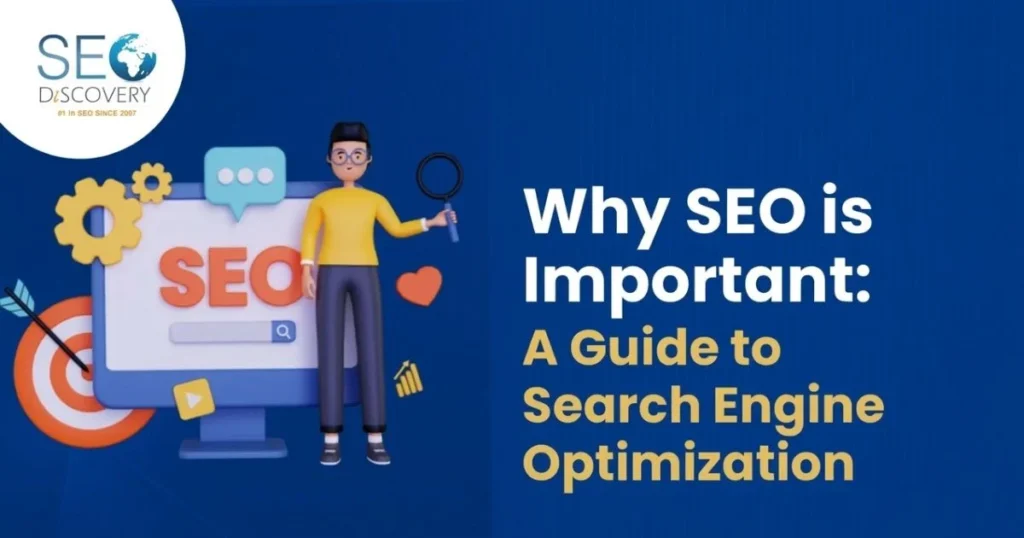
SEO remains the foundation of online success. The Best Digital Marketing Services in 2026 prioritize SEO because organic visibility builds long-term authority . Search Engine Optimisation (SEO) is a digital marketing strategy focused on improving a website’s visibi lity in search engines. When users search for products or services on platforms like Google, the websites that appear at the top receive the most traffic. The main goal of SEO is to help a website rank higher organically (without paid ads) so it can attract consistent, targeted visitors. One of the biggest advantages of SEO is that it delivers long-term results. Pa id advertising generates traffic only while you are spending money. In contrast, a well-optimised website can continue attracting visitors over time without ongoing ad costs. This makes SEO a cost-effective and sustainable marketing strategy.
Types of SEO
- Off-Page SEO
- On-page SEO
- On-page SEO
On-page SEO refers to all the optimizations directly on a website. This includes keyword research, optimizing title tags and meta descriptions, using proper heading structures (H1, H2, etc.), improving internal linking, and creating high-quality cont ent. The content should be clear, informative, and focused on solving users’ pr oblems. Keyword stuffing is not a good practice and can harm rankings.
- Off-Page SEO
Off-page SEO involves activities outside the website to improve its authority and credibility. The main factor here is building quality backlinks from trusted and relevant websites. When other reputable sites link to your content, search engines consider your website more reliable. Guest posting, brand mentions, and social media sharing also contribute to off-page - TechnicalSEO
Technical SEO focuses on improving the backend structure of a website. It includes optimizing webs ite speed, eensuring mobile-friendlinessusing secure HTTPS connections, creating XML ssitemaps and fixing crawl errors. Even if your content is excellent, poor technical performance can negatively affect your rankings.
- Importance of Keyword Research
Keyword research is the foundation of SEO. It helps identify that users are searching for and which terms have high search volume with manageable competition. Targeting long-tail keywords, such as “best di gital marke ting services in 2 026,” can att ract mor e specif ic and high- intent traffic, lead ing t o bet ter conversion rates. - Why SEO is Important
In today’ s digital world, most cust omers search online before maki ng a pur chas e decision. If your website does not appear in search results, you are missing potential business opportunities. SEO increases brand visibility, builds trust, a nd drives consistent or gan ic traffic.
However, it is important to follow ethical (white- hat) SEO practices. Shortcut or manipulative techniques may provide temporary gains but can result in penalties in the long run. A strategic and user-fo cused SEO approach ensures sustainable growth and long-term success.
Performance Marketing & Paid Advertising
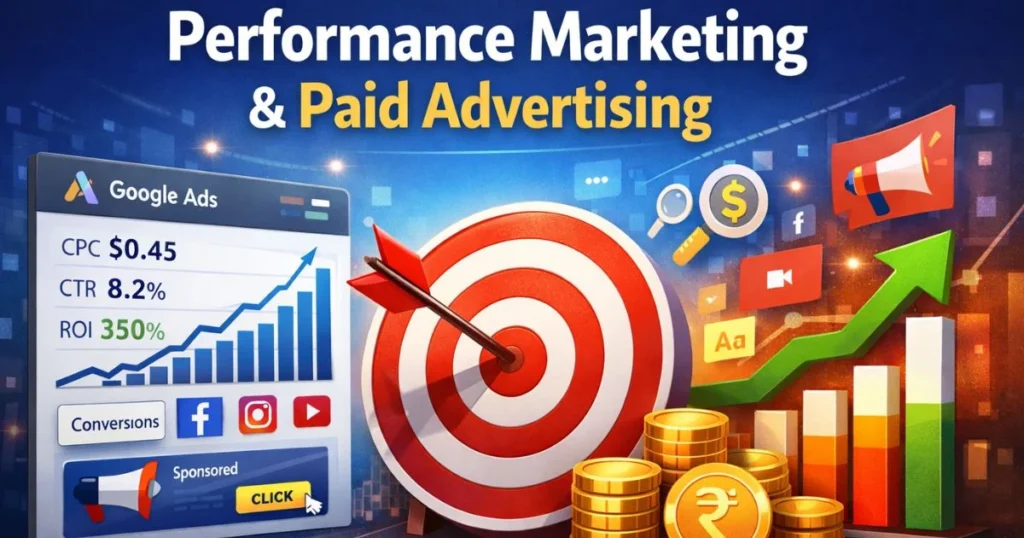
In today’s competitive digital world, businesses must reach the right audience at the right time. Traditional advertising often consumes budget without gu aran teeing results. That is why Performance Marketing and Paid Advertising have become essential for modern brands. Theset of strategies focuses on measurable outcomes, meaning busine sses pay only when a specific action—such as a click lead, or sale—actually happens.
Performance marketing is a result-driven approach where every campaign is tracked a nd optimized. Instead of paying for just visibility, advertisers invest in actions that directly impact growth. These actions may include website visits, product purchases, app installs, or form submissions. Because everything is measurable, businesses can clearly calculate their return on investment (ROI
Paid advertising is a major art of performance marketing. It allows businesses to promote their services through online platforms and reach highly targeted audiences. With advanced targeting options like location, age, interests, search intent, and online behavior, brands can show ads to those who are most likely to convert.
- Types of Performance Marketing & Paid Advertising
1 . Search Engine Advertising (P PC)
This type of advertising shows ads on search engines when users search for specific keywords. For example, platforms like Google Ads allow businesses to appear at the top of search results. It works mostly on a Cost Per Click (CPC) model.
- Social Media Advertising
Social platforms offer highly targeted campaigns. Businesses can advertise on platforms su ch as Facebook, Instagram, and LinkedIn to each specific audience segment based on demographics and interests. - Display Advertising
Display ads are visual ads that appear on websites, apps, or blogs. These aadshelp inincrease brandwareness and retarget users who have previously visited your website. - Affiliate Marketing
In affiliate marketing, businesses partner with affiliates who promote their products. The affiliate earns a commission only when a sale or lead is generated. - Influencer Marketing (Performance-Based)
Brands collaborate with influencers and pay them based on results such as clicks, leads, or conversions instead of fixed payments. - Native Advertising
Native ads match the content style of the platform where they appear. They look less like traditional ads and more like regular content, which improves engagement. Video Advertising
Video ads run on platforms like YouTube and social media networks. These are effective for brand storytelling and engagement.
Pricing Models in Performance Marketing
Performance marketing also works on different pricing models:
- CPC (Cost Per Click) – Pay when someone clicks your ad.
- CPL (Cost Per Lead ) – Pay when you get a lead.
- CPA (Cost Per Acquisition) – Pay when a sale happens.
- CPM (Cost Per 1 000 Impression’s) – Pay per thousand ad views.
Social Media Marketing Strategy
Social media plays a major role in brand building. The Best Digital Marketing Services in 2026 create customised strategies for different platforms.Effective social media marketing includes:
- Content calendar planning
- Reels and short-form video content
- Paid social advertising
- Audience engagement
- InInfluencerarketing
Website De velopment & Conversion Opt imisation
In the digital age, your website is more than just an online presence—it is your brand’s first impression, sales representative, and customer support system all in one. A professionally developed webssitecombined with strong c onversion op timisation strat egies can t ransform visitors into loloyal customersWithout p roper structure speed, and user experience, even the best marketing campaigns can fail to deliver results.
Website Development Building a Strong Digital Foundation
Website development focuses on designing and building a website that is visually appealing, technically strong, and user-friendly. A well-developed website should be responsive, meaning it works smoothly on desktops, tablets, and mobile devices. Since most use rs bro wse on smartphones, mobile optimization is no longer optional—it is essential.
Modern websites are often built using platforms like WordPress, Shopify, or custom-coded solutions, depending on business needs. A professional website includes clear navigation, fast loading speed, secure hosting (HTTPS), and SE O- friendly structure. These elements ensure that users can easily find information and search engines can properly index the website.
- Key elements of efeffectiveebsite development include:
- Clean and modern design
- Fast pag e loading speed.
- Mobile responsive ness
- Secure and reliable hosting
- SEO-friendly structure
- Easy content management
A strong technical foundation not only improves experience but also increases credibility and trust. When visitors land on a profess ional-looking website, they are more likely to stay and explore further.
Conversion Optimization: Turning Visitors into Customers
Conversion Optimisation (CRO) focuses on increasing the percentage of webs ite visitors who complete a desired action. Thisction could be making a purchase, filingout a fform subsubscribing a newsnewsletter contacting the busibusinessiving traffic to a websi te is important, but conv erting that traffic is what truly grow s r e venue. Conv ersion op timisation involves analyanalyzingbehavior, identifying obstaclobstaclesmprovi ng element s that influ eninfluence decisionsrtant CRO strategies include:
- Clear C all-to-Action (CTA) buttons
- Simple and short forms
- Trust ssignals(reviews, t testimonialssecurity badges)
- Hi-quality images and persuasive content
- A/B testing to compare different versions of pages
- Optimised landing pages
For ex ample, changing the color or placement of a CTA button can signifi cantly inc rease conversions. Similarly, reducing unnecessary form fields can improve lead generation rates.
The Power of Combining Both
Website development and conversion optimization work best when combined. A visually attractive website without optimization may look good but fail to gen erate leads. On the other hand, optimisation strategies cannot succeed on a poorly designed or slow website.
When businesses invest in both development and CRO, they benefit from:
- Higher engagement rates
- Lower bounce rates
- Inc. increased leads and sales.
- Better return on investment (ROI)
- Im proved customer experie nce
- Conclusion
Website Development & Conversion Optimisation are essential pillars of digital success. A strong, responsive, and secure website builds trust, while smart optimization strategies convert visitors into paying customers. By focusing on both technical performance and user behavior, businesses can create a powerful online presence that drives consistent growth and long-term success.